Mineralogical characteristics
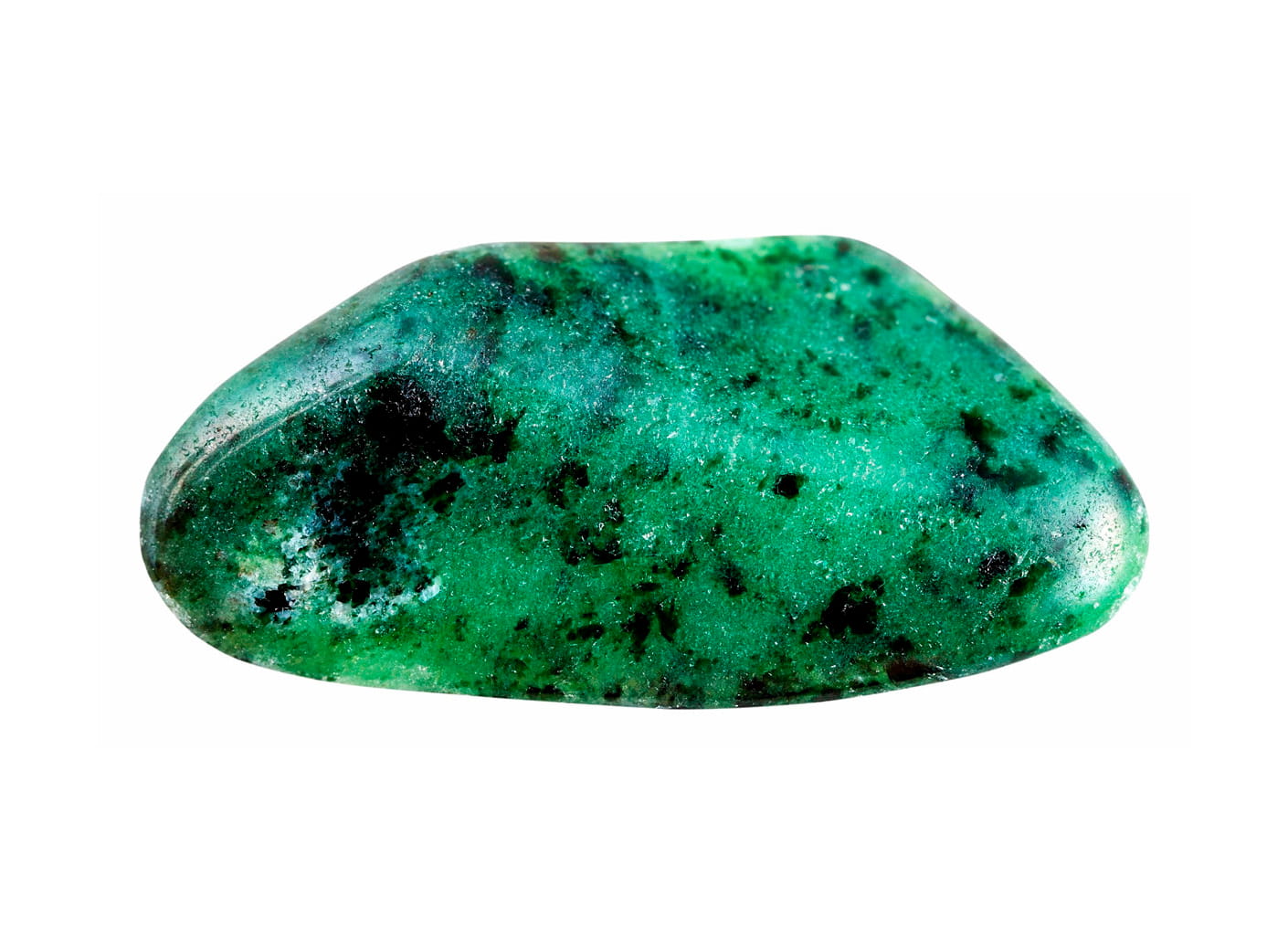
Zoisite is a calcium hydroxide aluminosilicate belonging to the epidote group. It is characterized by forming elongated prismatic crystals, although it may also appear in compact masses. Its most common color is green, but there are varieties in blue, pink, grey, brown, yellow or white tones.
Among the best-known varieties are tanzanite, with an intense violet-blue color, and thulite, with a pink tone. Both are appreciated in jewelry and gemology for their beauty and rarity.
Zoisite forms mainly in metamorphic rocks, quartz veins and pegmatites. It was discovered at the beginning of the 19th century and was named after the Austrian collector Sigmund Zois. Originally, it was also known as saualpite, referring to the Su-Alp mountains in Austria, where it was first identified.
Thanks to its chromatic variety and the presence of derived gems such as tanzanite, zoisite is considered one of the most interesting minerals within the sorosilicate group.
Deposits
India, Madagascar, Tanzania, Russia, Sri Lanka, Kenya, Cambodia, Austria and Japan.
Therapeutic properties
Zoisite is traditionally associated with personal transformation, creativity and inner growth. In crystal therapy, it is considered a stone that helps enhance individuality and authentic expression of the self.
It is said to encourage personal confidence, emotional detachment and the ability to overcome internal blockages, helping focus objectives and develop new perspectives. It is also related to creative inspiration and motivation.
On the energetic plane, zoisite is used to balance emotions and promote processes of inner renewal. Some traditions link it to energetic strengthening of the body and symbolic support in moments of emotional exhaustion.
These properties belong to the field of esoteric beliefs and do not have scientific evidence, so they do not replace professional medical treatments.