Mineralogical characteristics
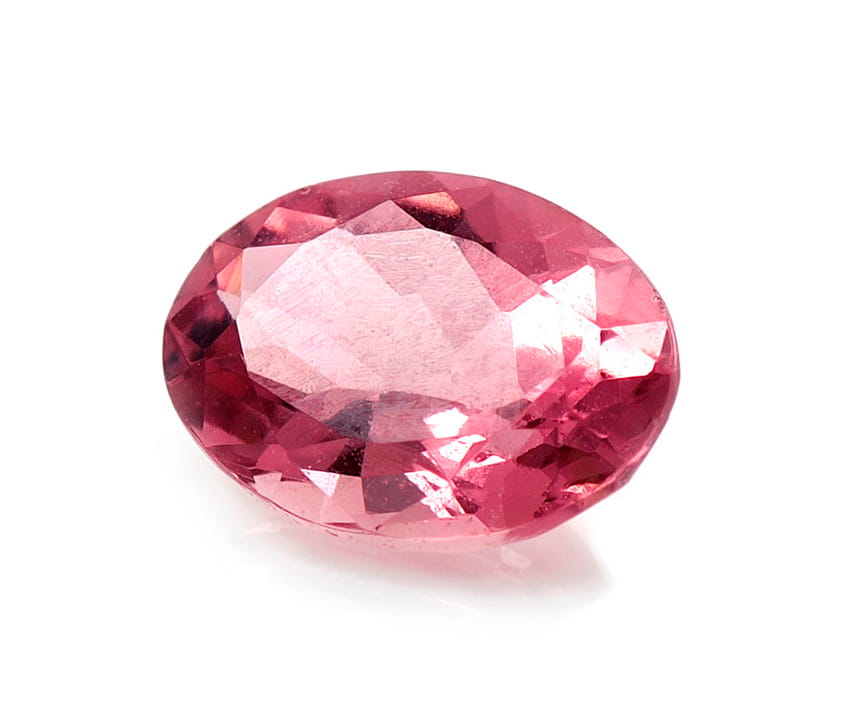
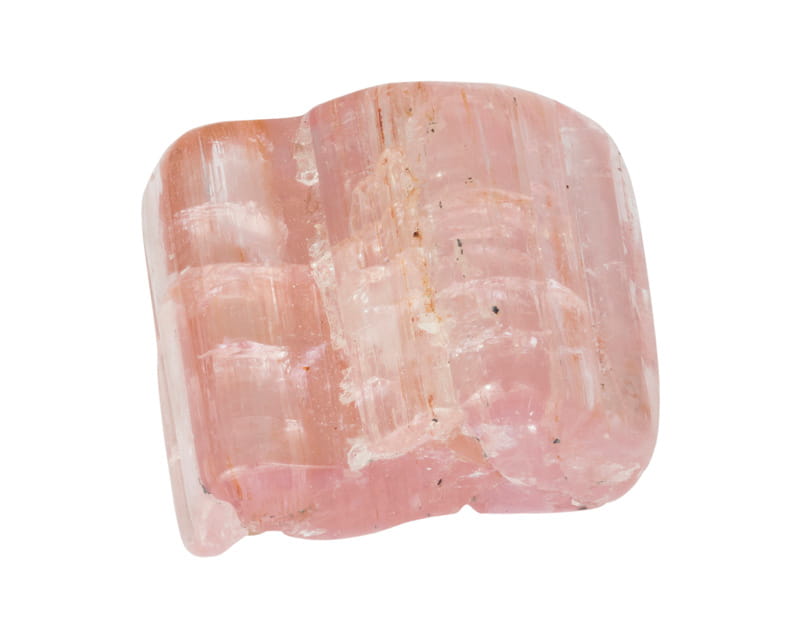
Pink tourmaline is a variety of tourmaline belonging to the elbaite family, known for its chromatic tones and gem quality. Its colors may range from soft pinks to intense pinkish tones with reddish nuances.
Elbaites also include other highly appreciated varieties such as blue, green or red tourmaline. Colored tourmalines are characterized by their dichroism, an optical property that allows different intensities of color to be appreciated depending on the orientation of light and the crystal.
Tourmalines are complex borosilicates with variable chemical composition, although they maintain the same crystal structure. Their crystals are usually prismatic, elongated and with highly characteristic longitudinal striations.
Pink tourmaline forms mainly in pegmatites, granites and hydrothermal or pneumatolytic veins. Due to its beauty and transparency, many pieces are used in jewelry and gemology.
Deposits
Brazil, India, Afghanistan, United States, Canada, Mexico, Namibia, Russia, Africa and Madagascar.
Therapeutic properties
Pink tourmaline is traditionally associated with the heart chakra and is considered a stone linked to self-love, emotional sensitivity and affective harmony. It is used as symbolic support for working on personal confidence and emotional openness.
It is said to act as an energetic balm for the heart, helping soften intense emotions and encouraging states of calm, tenderness and understanding. Its energy is related to the ability to connect with oneself through acceptance and inner balance.
On an energetic level, pink tourmaline is also used to regenerate and balance the emotional body, helping release tensions and blockages related to affective relationships and self-esteem.
Like the rest of the tourmalines, it is considered a stone of cleansing, protection and transformation. According to energetic mineral tradition, the parallel striations of tourmaline help transform dense energies and raise the vibration of the environment and the person.