Mineralogical characteristics
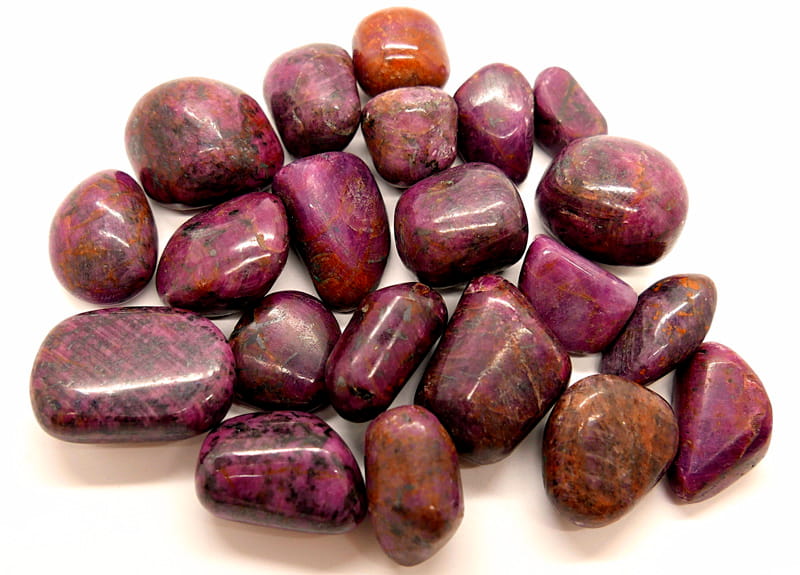
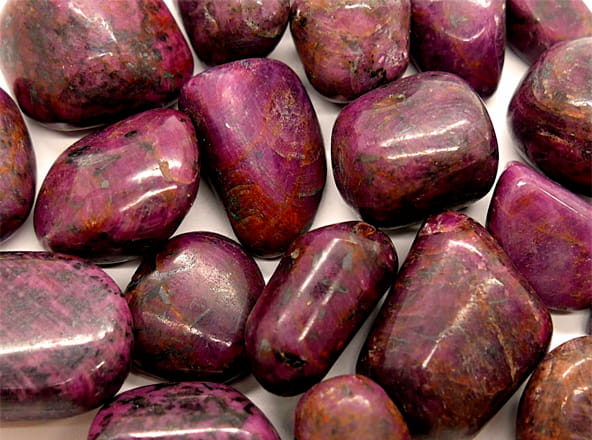
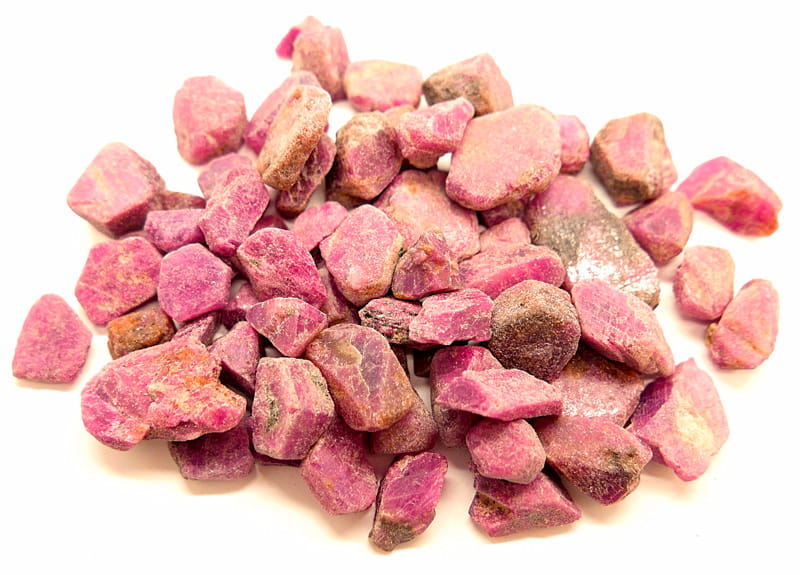
Ruby is a variety of corundum distinguished by its intense red color, although it may also be found in shades ranging from dark red to light red or purple. This characteristic color is due to the presence of traces of chromium in its chemical composition. The term “ruby” comes from the Latin ruber, meaning “red”, in direct reference to its tone.
Red corundum is, together with sapphire, one of the most valued gemstones in jewelry and collecting. In fact, speaking of rubies and sapphires means speaking of two of the most appreciated gems in history, considered symbols of power, beauty and durability. On the Mohs scale, ruby reaches a hardness of 9, making it the second hardest gemstone after diamond.
Among the main characteristics of ruby, it stands out that its crystals are usually small, as the presence of chromium limits their growth. They generally appear in prismatic forms, with flat or pointed terminations. These crystals form in igneous and metamorphic rocks, with those from regions with ancient volcanic eruptions being highly prized.
As for the type of igneous rock where it is usually found, it is associated with environments where magma cools slowly inside the crust and sometimes on the Earth’s surface, generating deposits rich in aluminum and chromium. It can also be found in secondary deposits, transported by rivers and accumulated together with rock fragments of different origins.
The most recognized deposits are located in Myanmar, Thailand, Sri Lanka, Afghanistan, India, Madagascar, Mexico, Kenya, Cambodia, Russia and United States. Among all of them, Sri Lanka has become one of the world reference points for gemstone extraction, offering high-quality rubies.
Deposits
Myanmar, Thailand, Sri Lanka, Afghanistan, India, Madagascar, Mexico, Kenya, Cambodia, Russia and United States.
Therapeutic properties
Ruby has been considered since ancient times a stone of power and vitality. Among the main properties of ruby, its association with the 1st chakra, or root chakra (Muladhara), and with the 4th, the heart chakra, stands out. In this sense, it is said to help balance energy, reinforce personal security and maintain solid grounding with the earth.
Ruby is seen as a stone that amplifies vital energy, increasing motivation and inner strength. It stimulates passion in daily life, both creatively and in relationships, and is believed to enhance sexual desire. These properties of ruby make it an ally for people seeking to recover enthusiasm and joy for life.
On a physical level, benefits related to blood circulation and body oxygenation are attributed to it. Some therapists note that it may help strengthen the immune system, support the circulatory system and be useful in recovery processes from infectious diseases.
For all these reasons, ruby is not only one of the most beautiful gemstones, but also a stone associated with balance, passion and inner strength.