Mineralogical characteristics
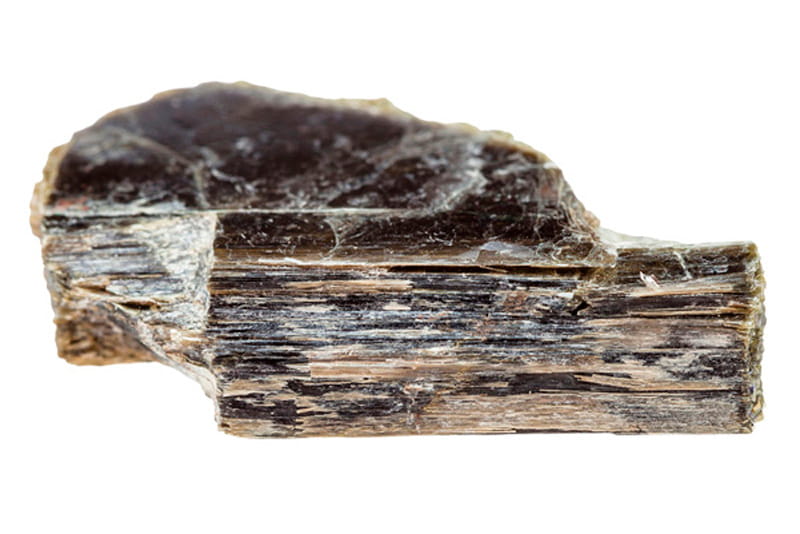
Micas are among the most abundant minerals and are generally found in igneous and metamorphic rocks. They are hydrated potassium aluminosilicates, with sodium, lithium, iron or magnesium, depending on the varieties. They belong to the phyllosilicate subgroup, sheets of tetrahedra joined together by weak bonds. Their cleavage is perfect, with thin, flexible separated sheets.
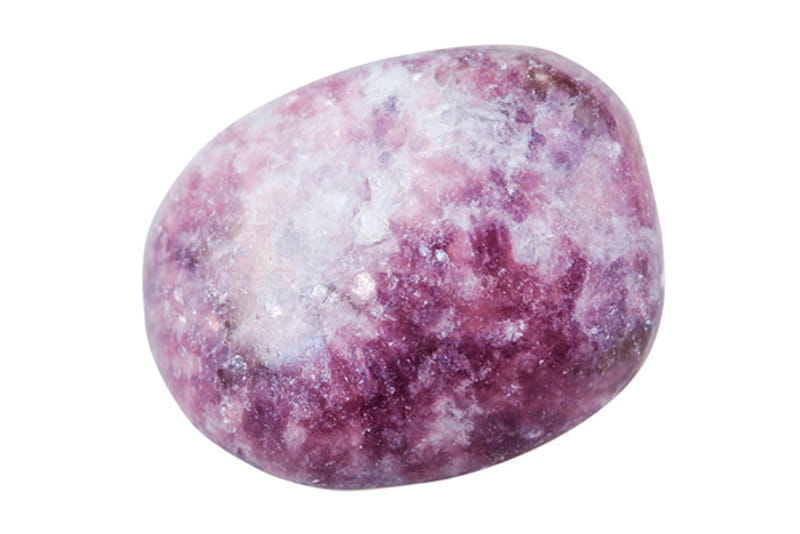
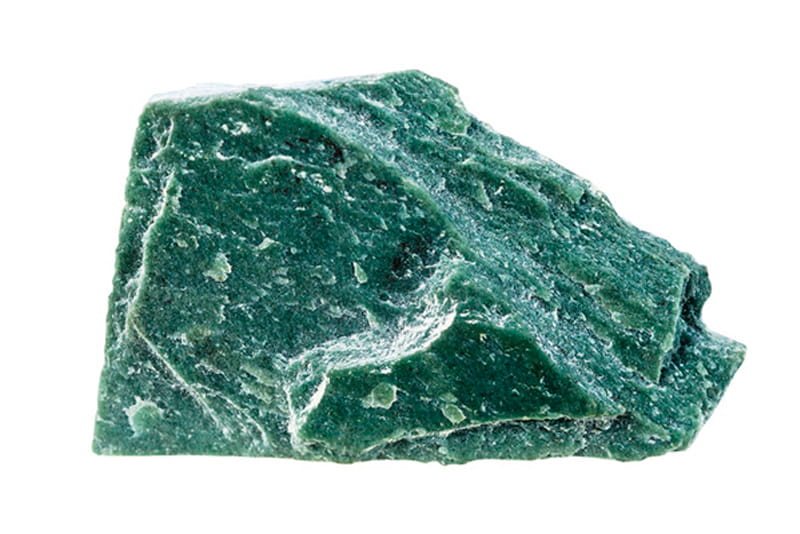
Within the mica group there are different varieties, among which the most notable are muscovite (white, grey, yellow, green, pink or reddish), lepidolite (lilac, pink, grey-white), glauconite (blue-green), phlogopite (white, yellow, reddish) and biotite (white, brown, black, yellow, dark green).
Deposits
Brazil, Russia, Canada, India, China, Japan, United States, Scotland, Canada, Germany, Sweden, Australia, Mexico, Madagascar and Czech Republic.
Therapeutic properties
Mica is considered a mystical stone that encourages intuition and psychic vision. It is said to have the property of reflecting the mirrors we project outward, that which we find difficult to recognize as our own, in order to transform and integrate it. It helps open the heart chakra to unconditional love.
Mica also represents balance and flexibility. It facilitates communication, clarity and self-image.
On a healing level, it is said that mica helps regulate hunger, sleep well and relieve allergies.