Mineralogical characteristics
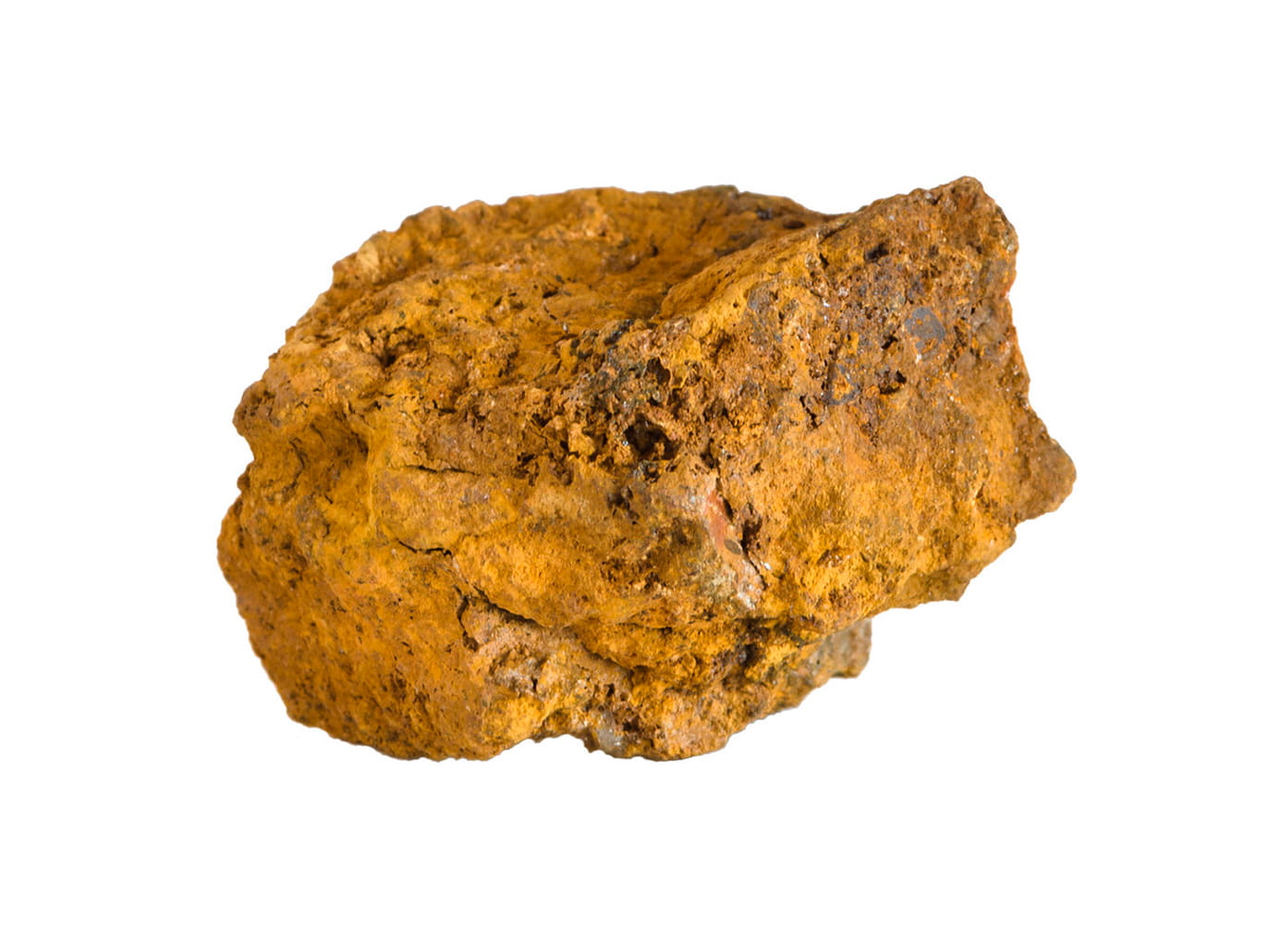
Limonite is a secondary product formed by the oxidation of other iron minerals or by precipitation in the sea, in freshwater and in marshes. It is associated with goethite when it appears in massive and earthy aggregates, and is sometimes used as a synonym for it.
The name limonite comes from the Greek "leimon", meaning "meadow", in reference to the muddy localities where the variety called bog iron is found.
Deposits: Brazil, France, Germany, Luxembourg, Italy, Russia, Cuba, Zaire, India, Namibia and United States.
Deposits
Brazil, France, Germany, Luxembourg, Italy, Russia, Cuba, Zaire, India, Namibia and United States.
Therapeutic properties
Limonite is associated with the base and sacral chakras. As an iron oxide, it brings grounding and physical protection, mental clarity, strength and endurance. On a physical level, limonite is purifying and helps overcome dehydration and fevers. It is said to support the liver and digestive system. It is beneficial for muscles and bones, and for assimilating iron and calcium.