Mineralogical characteristics
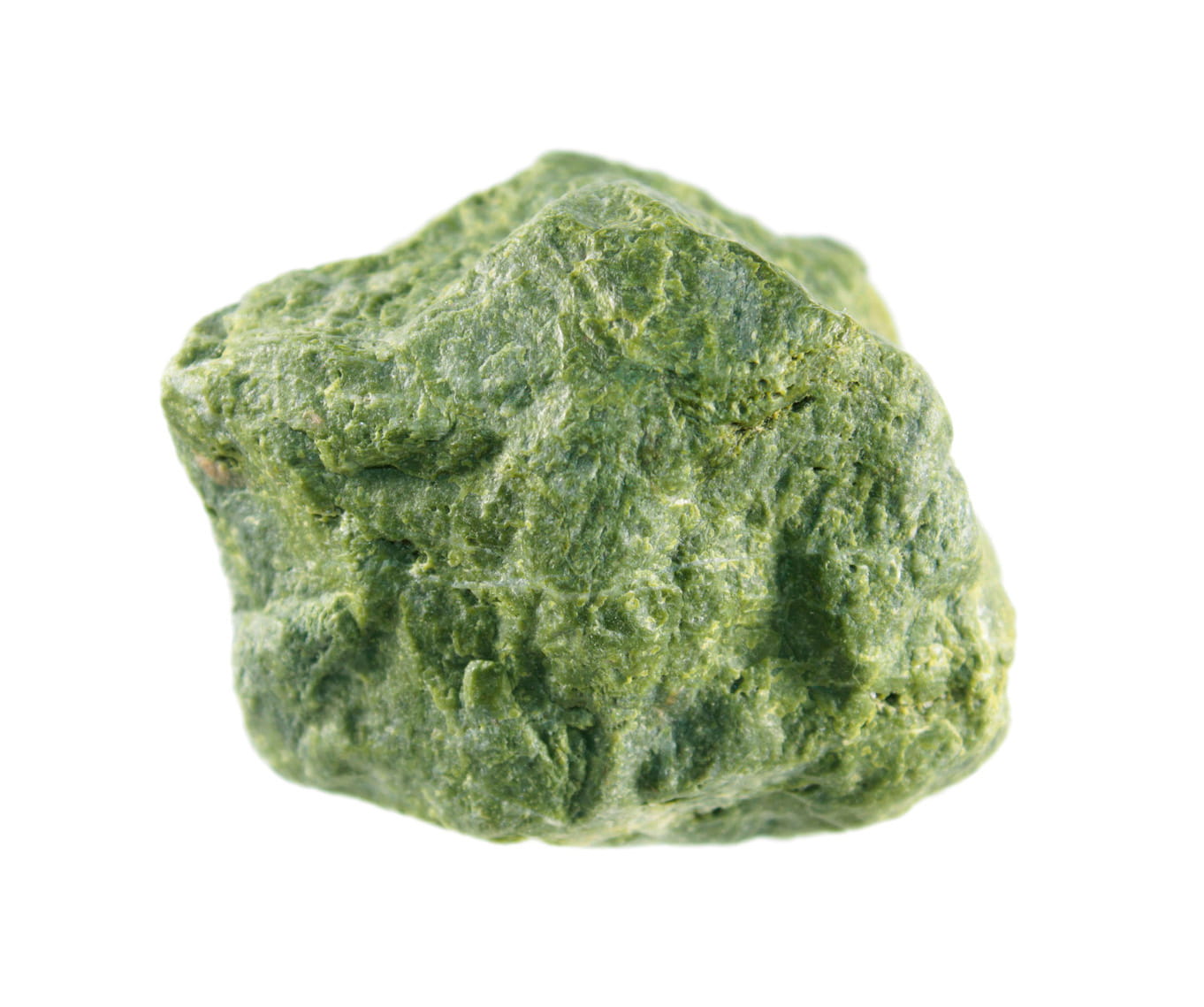
Epidote is an iron, aluminum and calcium hydroxide silicate. It generally forms columnar prisms or thick tabular crystals with its characteristic striations. It can also be found in acicular, massive or granular form.
Epidote is light pistachio green or dark green with strong pleochroism, meaning it displays different colors depending on the direction from which it is observed. It is usually found in rocks that have undergone low-grade regional metamorphism and as a product of hydrothermal alteration of plagioclase feldspar.
The name epidote comes from the Greek "epidosis", meaning "to increase", because one side of the prisms is always larger than the rest.
Deposits
United States, Bulgaria, Austria, France, Russia, Norway, South Africa, Pakistan, Mozambique and Mexico.
Therapeutic properties
Epidote is considered a transforming and healing stone for the emotional body. It helps release pain and connect with personal power, a sense of identity and the enjoyment of life in a realistic way, dispelling excessive self-criticism.
On a physical level, epidote is said to regulate the nervous and immune systems and bring vigor and cellular regeneration. It benefits the brain, thyroid, liver, gallbladder and adrenal glands.