Mineralogical characteristics
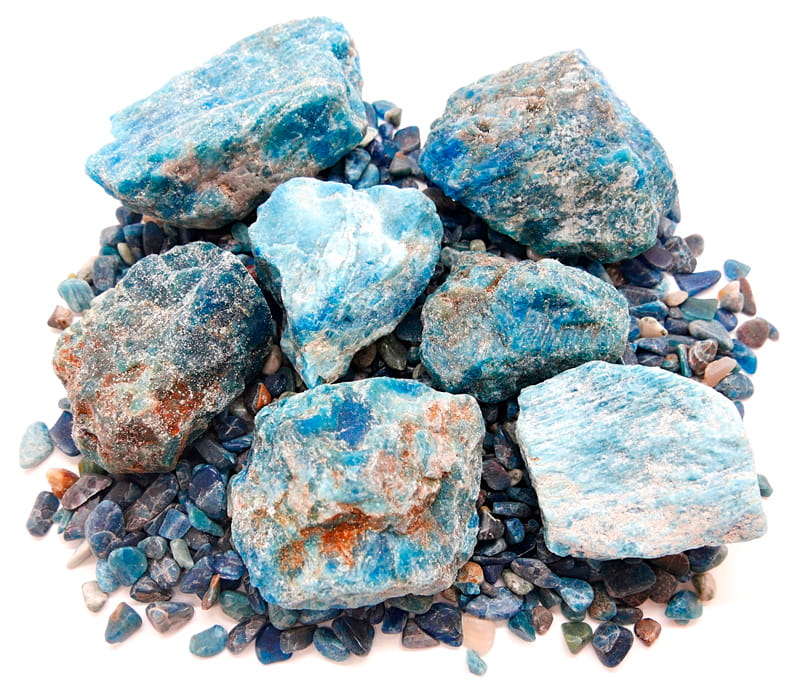
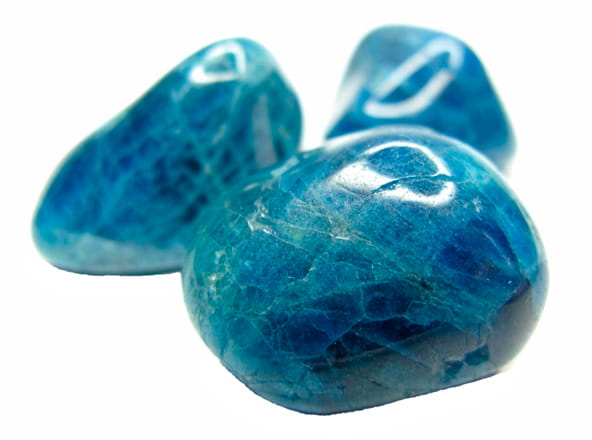
Apatite is a calcium phosphate of hydrothermal origin. There is a wide variety of apatites, all with identical structures but differences in composition (fluorapatite, hydroxyapatite and chlorapatite). The most common include blue, brown, green and colorless apatite. Apatite is usually found as hexagonal and tabular crystals, and also as nodules or masses. The name apatite comes from the Greek "apate", meaning “deceptive”, since its resemblance to other minerals such as beryl, tourmaline and aquamarine can cause confusion. Due to its high phosphorus and phosphate content, apatite is often used in the manufacture of mineral fertilizers and other products such as matches.
Deposits
Brazil, United States, Namibia, Mexico, Russia, Canada, India, Norway, Kenya, Madagascar, Myanmar, South Africa, Sri Lanka and Portugal.
Therapeutic properties
Apatite is considered a stone of openness and communication. It is often used to enhance expression and social ease. It is called the stone of sincerity and friendship. It encourages creativity and motivation and helps channel anger and frustration. On a healing level, it is said to help strengthen bones and teeth, and when placed over the thymus it reinforces the immune system.