Mineralogical characteristics
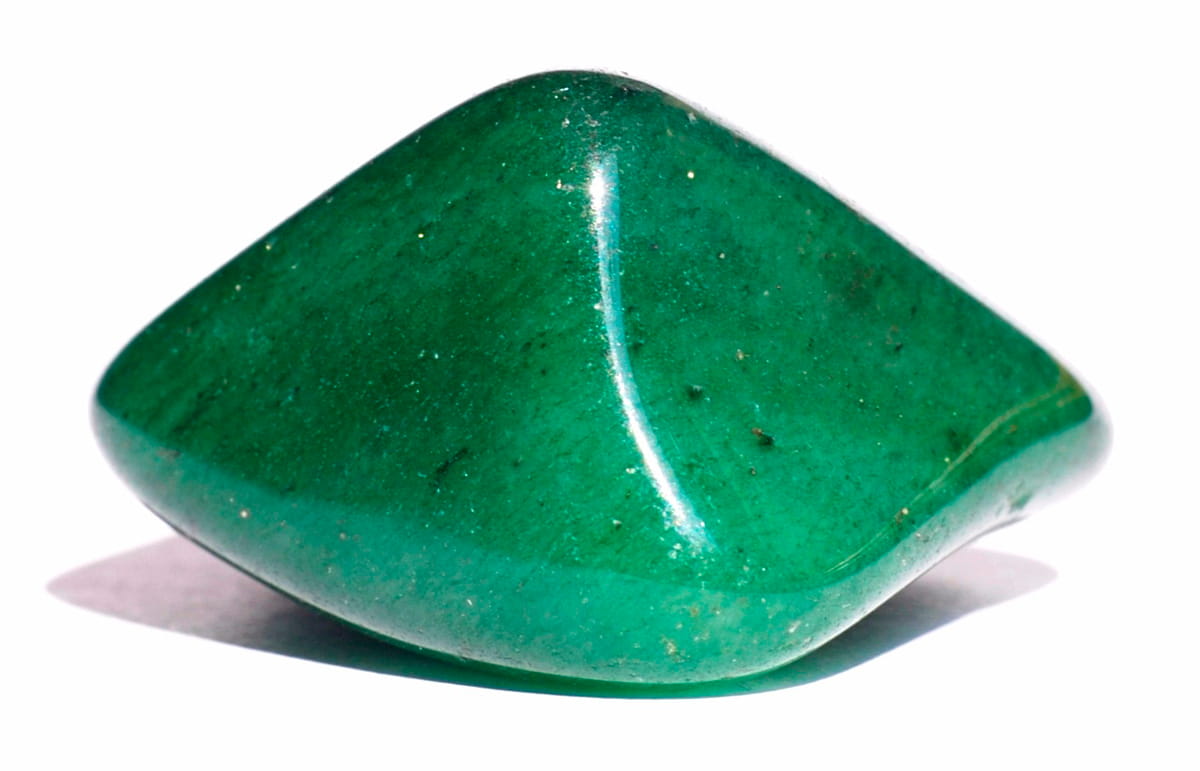
Aventurine is a variety of quartz that contains shiny inclusions that give it an iridescent appearance. Although the most common color of aventurine is green, depending on the inclusions it contains it can take on different colors. Green aventurine contains fuchsite, brown aventurine contains pyrite and red aventurine contains hematite.
Aventurine is also often called green quartz or prasiolite, although unlike aventurine, prasiolite does not contain shiny inclusions and is much less common than aventurine.
Deposits
Brazil, China, India, Russia, United States, Italy, Tibet, Nepal, Czech Republic, Germany, Japan, Slovakia, South Africa and Austria.